
Steering systems are vital for vehicle control, evolving from purely mechanical manual steering to assisted power steering options. Driver preference heavily influences choice, ranging from light to firm feedback.
Power steering reduces driver effort, making vehicles easier to maneuver, while manual steering offers a more direct connection to the road. Both systems have unique advantages.
Historical Overview of Steering
Early automobiles relied entirely on manual steering, demanding significant physical effort from drivers – a stark contrast to today’s ease. These initial systems were direct mechanical linkages, transferring driver input directly to the wheels. As vehicles grew heavier and engines more powerful, the limitations of manual steering became increasingly apparent, prompting innovation.
The quest for reduced driver fatigue led to the first attempts at power assistance in the early 20th century. Initial designs, like linkage assist steering and integral power steering gear, utilized hydraulic pumps driven by the engine. These systems aimed to amplify the driver’s force, making steering more manageable. However, these early iterations were often bulky and complex.
The mid-20th century saw refinements in hydraulic power steering (HPS), becoming a common feature in many vehicles. Later, electro-hydraulic power steering (EHPS) emerged, offering improved efficiency. The latest evolution, electric power steering (EPS), provides even greater control and fuel efficiency, marking a significant departure from the purely mechanical origins of steering.
The Evolution from Manual to Power Steering
The transition from manual steering to power steering wasn’t immediate, but a gradual response to evolving vehicle design and driver expectations. Early cars, lightweight and slow, posed manageable steering challenges. However, as automobiles became larger, heavier, and capable of higher speeds, the physical demands on drivers increased substantially.
Hydraulic power steering (HPS) represented the first major leap, utilizing engine-driven pumps to assist steering effort. This significantly reduced the force needed, particularly at low speeds. Subsequent advancements brought electro-hydraulic power steering (EHPS), offering improved efficiency by using an electric motor to power the hydraulic pump.
The most recent stage is electric power steering (EPS), which eliminates the need for hydraulic fluid altogether. EPS systems directly apply assistance using an electric motor, providing precise control and contributing to fuel savings. This evolution reflects a continuous pursuit of enhanced driver comfort, safety, and efficiency, moving away from the purely mechanical approach of manual systems.

Manual Steering: The Traditional Approach
Manual steering provides a direct link between driver input and the wheels, demanding physical effort. It’s a simple system, offering maximum road feel and control.
Mechanism of Manual Steering
Manual steering relies entirely on the driver’s muscle power to turn the vehicle’s wheels. The system begins with the steering wheel, connected via a steering column to a steering gear box. This gearbox, typically a worm and sector or recirculating ball type, translates the rotational motion of the wheel into a linear motion.
This linear motion then acts upon the steering linkage – tie rods and ball joints – which are connected to the steering knuckles, ultimately causing the wheels to pivot. Because there’s no hydraulic or electric assistance, the driver must overcome the resistance of the tires and the weight of the vehicle.
Older vehicles often featured simpler, more direct linkages, while later designs incorporated some reduction in the steering ratio to lessen the effort, though still requiring significant physical exertion. The simplicity of this design contributes to its reliability, but also its demanding nature, especially at low speeds or during parking maneuvers.
Advantages of Manual Steering
Manual steering offers several distinct benefits, primarily centered around simplicity and driver feedback. The absence of pumps, hoses, and electronic components translates to fewer potential points of failure, enhancing reliability and reducing long-term maintenance costs. This simplicity also contributes to a lighter vehicle weight, potentially improving fuel efficiency, albeit marginally.
Crucially, manual steering provides a more direct and unfiltered connection between the driver and the road. Drivers appreciate the enhanced “feel” and responsiveness, allowing for precise control and a greater sense of vehicle dynamics.
For enthusiasts who prioritize driving engagement, this direct feedback is a significant advantage. While requiring more effort, manual steering can deliver a more rewarding and immersive driving experience, particularly on winding roads or during spirited driving. It’s a system favored by those seeking a purist driving experience.
Disadvantages of Manual Steering
Manual steering systems, while offering a direct driving experience, present notable drawbacks, particularly regarding physical effort. Maneuvering vehicles equipped with manual steering, especially at low speeds or during parking, demands significantly more strength and exertion from the driver. This can be fatiguing, especially for extended periods or for individuals with limited physical strength.
The increased effort required also makes quick steering corrections more challenging, potentially compromising safety in emergency situations. Older vehicles with manual steering can feel cumbersome and less responsive compared to modern power-assisted systems.
Furthermore, the lack of assistance can make the vehicle less accessible to a wider range of drivers. While some appreciate the challenge, many modern drivers prefer the ease and convenience offered by power steering, making manual steering a less desirable option for everyday use.
Vehicles Commonly Equipped with Manual Steering
Manual steering was prevalent in older vehicle models, particularly those manufactured before the widespread adoption of power steering technology. Historically, compact and subcompact cars often featured manual steering to reduce weight and cost. Many classic sports cars and roadsters, prioritizing driver feel and a raw connection to the road, were also commonly equipped with manual systems.
Certain utility vehicles and trucks, especially older or basic work models, also utilized manual steering for its simplicity and durability. However, its presence in modern vehicles is increasingly rare, largely confined to specific niche markets or very basic trim levels.
Today, manual steering is primarily found in some affordable entry-level cars or as a deliberate design choice in vehicles aiming for a vintage driving experience, appealing to enthusiasts who value direct control over assisted convenience.

Power Steering: Assisted Control
Power steering significantly reduces driver effort, making steering easier, especially at low speeds. Systems utilize hydraulics or electric motors to assist wheel turning.
Hydraulic Power Steering (HPS)
Hydraulic Power Steering (HPS) represents an early form of power assistance, employing a belt-driven pump to generate hydraulic pressure. This pressure then assists the driver in turning the steering wheel, substantially reducing the physical effort required, particularly in larger vehicles or during low-speed maneuvers.

Two primary designs emerged within HPS: linkage assist steering and integral power steering gear. Both utilize a constant flow, positive displacement hydraulic pump connected to the engine via a belt. The pump continuously circulates hydraulic fluid, ready to provide assistance when the driver turns the wheel.
Compared to manual steering, HPS offers a noticeable reduction in steering effort. However, it’s less fuel-efficient than more modern systems due to the constant operation of the pump, even when steering assistance isn’t needed. While reliable, HPS systems can be prone to leaks and require regular maintenance of the hydraulic fluid and components.
Electro-Hydraulic Power Steering (EHPS)
Electro-Hydraulic Power Steering (EHPS) builds upon the foundation of HPS, but introduces an electric motor to drive the hydraulic pump. This represents a significant improvement in efficiency, as the pump only operates when steering assistance is actually needed, unlike the continuously running pump in traditional HPS.
EHPS systems offer a balance between the feel of traditional hydraulic steering and the efficiency of fully electric systems. The electric motor allows for variable assistance levels, adapting to vehicle speed and driving conditions. This results in lighter steering at low speeds for easier maneuvering and firmer steering at higher speeds for improved control.
Compared to manual steering, EHPS provides substantial assistance, and compared to HPS, it offers better fuel economy. However, EHPS still relies on hydraulic fluid, meaning it’s susceptible to leaks and requires fluid maintenance. It’s a transitional technology bridging the gap to fully electric power steering.
Electric Power Steering (EPS)
Electric Power Steering (EPS) represents the most modern approach to steering assistance, completely eliminating the need for a hydraulic pump, hoses, and fluid. Instead, EPS utilizes an electric motor directly connected to the steering column or rack and pinion. This motor provides assistance based on signals from various sensors, including vehicle speed, steering angle, and driver input.
EPS offers several advantages over both manual steering and hydraulic systems. It’s more fuel-efficient, as power is only drawn when assistance is needed. It also allows for highly customizable steering feel, with variable assist levels and even the ability to adjust steering characteristics based on driving mode.
Compared to manual steering, EPS dramatically reduces steering effort. While some drivers miss the direct feedback of manual systems, EPS technology is continually improving to provide a more natural and engaging steering experience. It’s becoming the industry standard due to its efficiency and versatility.
Advantages of Power Steering
Power steering fundamentally eases the burden on the driver, significantly reducing the physical effort required to turn the steering wheel, especially at low speeds or during parking maneuvers. This is a stark contrast to manual steering, which can be exceptionally heavy, particularly in larger vehicles.
Beyond reduced effort, power steering enhances maneuverability and control. It allows for quicker and more precise steering responses, improving handling and overall driving experience. Modern systems, like Electro-Hydraulic Power Steering (EHPS) and Electric Power Steering (EPS), offer adjustable assist levels, tailoring the steering feel to driver preference.
Furthermore, power steering can contribute to driver safety by reducing fatigue on long journeys and providing greater control in emergency situations. While some purists prefer the direct feedback of manual steering, the convenience and accessibility of power steering are undeniable benefits for most drivers.
Disadvantages of Power Steering
Despite its benefits, power steering isn’t without drawbacks. A primary concern is the potential loss of road feel and driver feedback compared to manual steering systems. This diminished connection can make some drivers feel less engaged with the driving experience and less aware of tire grip.
Furthermore, power steering systems add complexity to a vehicle, introducing additional components like pumps, hoses, and sensors – or electric motors and controllers. This complexity translates to a higher potential for failure and increased maintenance costs. Hydraulic systems can also be prone to leaks, while electric systems rely on a functioning electrical system.
Historically, power steering has negatively impacted fuel efficiency due to the constant draw from the engine to power the hydraulic pump. Modern electric systems mitigate this, but still represent an energy demand. Some drivers also lament the lack of a “pure” driving experience offered by manual systems.

Comparing Power Steering and Manual Steering
Power steering eases effort, while manual steering provides direct feedback. Fuel efficiency, maintenance costs, and steering feel are key distinctions between these systems.
Steering Feel and Driver Feedback
Steering feel is a remarkably subjective element, deeply influencing the driving experience. Some drivers cherish the raw, connected sensation of manual steering, appreciating the direct link to the road and the increased feedback regarding tire grip and road surface conditions. This directness allows for a more intuitive understanding of the vehicle’s behavior.
Conversely, power steering systems, particularly those offering lighter assistance, can filter out some of this feedback. While this reduces driver fatigue, it can also create a somewhat detached sensation. However, modern power steering technologies, like variable assist systems, aim to bridge this gap by adjusting assistance levels based on speed and driving conditions.
The preference often depends on the vehicle type and intended use. Enthusiasts frequently favor the precision of manual steering in sports cars and roadsters, while others prioritize the ease of use offered by power steering in larger vehicles or for daily commuting. Ultimately, the ideal steering feel is a matter of personal preference and driving style.
Effort Required for Steering
The most immediately noticeable difference between manual steering and power steering lies in the physical effort required to turn the steering wheel. Manual steering demands significant muscular exertion, especially at low speeds or during parking maneuvers. Older vehicles, often equipped with manual steering, vividly demonstrate this, requiring substantial force to initiate and maintain a turn.
Power steering, as its name suggests, dramatically reduces this effort. Utilizing hydraulic or electric assistance, it amplifies the driver’s input, making steering remarkably lighter and easier. This is particularly beneficial in larger vehicles or those with heavier front ends, where manual steering would be excessively demanding.
While power steering prioritizes ease of use, some drivers appreciate the increased physical engagement of manual steering. However, for most drivers, the reduced fatigue and enhanced maneuverability offered by power steering outweigh the benefits of a more physically demanding system, especially in everyday driving scenarios.
Impact on Fuel Efficiency
The impact of steering systems on fuel efficiency, while often subtle, is a notable consideration when comparing manual steering and power steering. Manual steering, being a purely mechanical system, doesn’t directly consume engine power, thus contributing to slightly better fuel economy in ideal conditions.
However, power steering systems, particularly older hydraulic power steering (HPS) designs, do impose a parasitic load on the engine. The HPS pump, driven by the engine via a belt, continuously draws power, even when steering assistance isn’t actively needed, reducing overall fuel efficiency.
Modern electro-hydraulic power steering (EHPS) and electric power steering (EPS) systems mitigate this issue. These systems only activate the assist when steering input is detected, minimizing the parasitic drag and improving fuel economy compared to traditional HPS. Consequently, the fuel efficiency gap between manual and modern power steering is considerably smaller.
Cost of Maintenance and Repair
Regarding cost of maintenance and repair, manual steering systems generally present a more affordable long-term ownership prospect. Their simplicity translates to fewer components prone to failure, reducing the likelihood of expensive repairs. Routine maintenance typically involves inspecting and lubricating steering linkages, a relatively inexpensive process.
Power steering systems, conversely, are more complex and therefore, potentially more costly to maintain. Hydraulic power steering (HPS) systems can suffer from leaks in hoses, pumps, or the steering rack itself, requiring fluid replacement and component repair or replacement. Electro-hydraulic (EHPS) and electric power steering (EPS) add electrical components, introducing potential issues with sensors, motors, and control modules.

While modern power steering systems are generally reliable, diagnosing and repairing electrical faults can be more expensive than addressing mechanical issues in a manual steering setup. Parts for manual steering are often readily available and less expensive than specialized power steering components.

Modern Advancements in Power Steering
Power steering now features variable assist and active steering, enhancing control and feel. Recent patents (US20240034408A1) explore automated steering controllers, moving beyond manual steering.
Variable Assist Power Steering
Variable assist power steering represents a significant refinement over traditional power steering and a substantial leap from manual steering systems. This technology dynamically adjusts the level of assistance provided to the driver, based on vehicle speed and driving conditions. At lower speeds, such as during parking maneuvers, the system offers increased assistance, making steering effortless.
Conversely, at higher speeds, the assistance is reduced, providing a firmer, more connected feel to the road – a characteristic often preferred by drivers accustomed to the direct feedback of manual steering. This adaptability aims to deliver the best of both worlds: the ease of use of power steering when needed, and the enhanced control and responsiveness that some associate with manual systems.
The result is a more engaging and confident driving experience, as the steering effort intuitively matches the demands of the situation. It’s a sophisticated approach that acknowledges the diverse preferences of drivers, bridging the gap between convenience and control.
Active Steering Systems
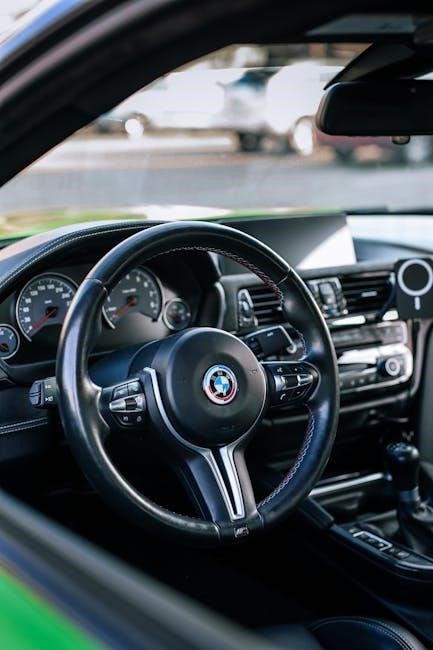
Active steering systems represent the cutting edge of steering technology, moving far beyond both traditional manual steering and conventional power steering. These advanced systems utilize electronic sensors and actuators to actively adjust the steering ratio and even the steering angle independently of the driver’s input.
Unlike manual steering’s direct mechanical link or power steering’s assistance based on effort, active steering can proactively enhance stability during emergency maneuvers, compensate for crosswinds, or even assist with lane keeping. They can alter the steering feel, providing a more responsive and agile experience, or a more stable and relaxed one, depending on the selected driving mode.
Essentially, these systems anticipate and react to driving conditions, offering a level of control and precision unattainable with either manual or earlier power steering iterations. They represent a significant step towards automated driving capabilities.
Steering Controllers and Automation (US20240034408A1)
Patent application US20240034408A1 details a power steering controller designed to determine the feasibility of both automatic and manual steering operation. This signifies a move towards systems capable of seamlessly transitioning between driver control and automated assistance, a capability absent in traditional setups.
The controller assesses various factors to decide if automated steering is safe and appropriate, effectively bridging the gap between the direct feel of manual steering and the convenience of power steering. It considers vehicle dynamics, environmental conditions, and driver intent.
This technology represents a sophisticated evolution, allowing for conditional automation while retaining the option for full manual control when desired. It’s a departure from simply assisting steering (as in power steering) to actively managing it, offering a new layer of safety and convenience.

The Future of Steering Technology
Steering development trends lean towards increased automation and variable assist, blending the responsiveness of manual steering with the ease of power steering.
Trends in Steering System Development
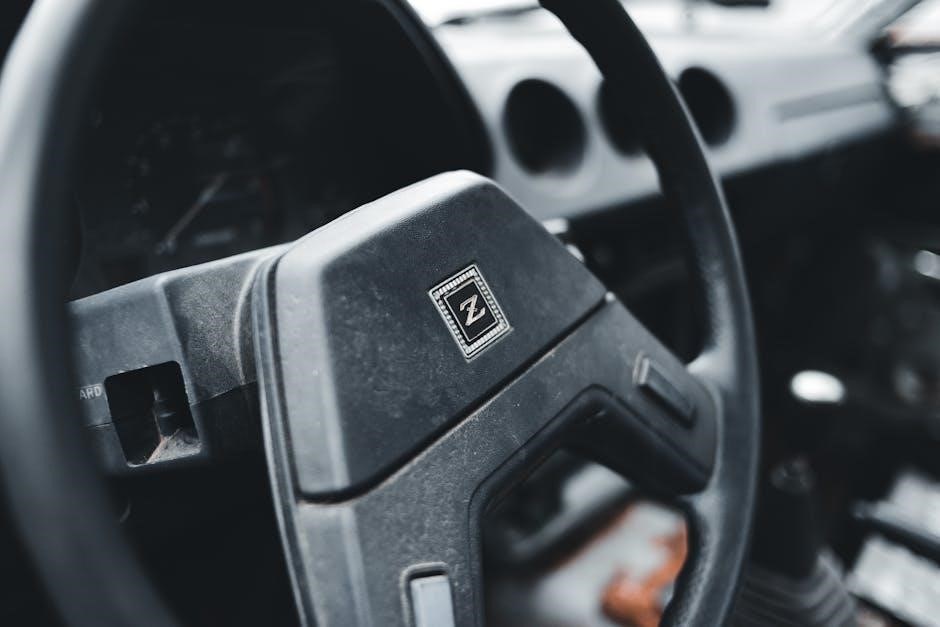
Current trends demonstrate a significant shift towards more sophisticated power steering systems, moving beyond simple hydraulic assistance. Manufacturers are increasingly integrating electric power steering (EPS) due to its fuel efficiency and adaptability. This allows for features like variable assist, tailoring steering feel to driving conditions – light for parking, heavier at highway speeds.
However, a niche market continues to appreciate the direct feedback and mechanical connection offered by manual steering, particularly in sports cars and roadsters. While not seeing widespread adoption in new vehicles, the demand for a raw driving experience keeps it relevant.
The future likely holds a blend of both worlds. Advanced controllers, like those described in US20240034408A1, will enable seamless transitions between automated and manual control, potentially offering drivers the best of both steering philosophies. Research and Markets forecasts continued growth in the steering systems market, driven by these innovations.
Market Forecasts for Steering Systems (Research and Markets)
Research and Markets reports indicate substantial growth in the global light vehicle steering market, forecasting continued expansion through 2032. This growth is overwhelmingly driven by demand for advanced power steering technologies, particularly electric power steering (EPS), due to increasing fuel efficiency standards and the rise of autonomous driving features.
While manual steering systems currently represent a small fraction of the overall market, their presence is largely confined to specific vehicle segments – often older models or specialized sports cars where a direct driving feel is prioritized. Forecasts don’t anticipate a significant resurgence in manual steering adoption.
The report highlights a trend towards more integrated steering systems, incorporating features like active steering and variable assist. These innovations, coupled with the increasing electrification of vehicles, are expected to fuel continued market expansion, with EPS dominating future sales volumes; The overall outlook remains positive for steering system manufacturers focused on power-assisted technologies.